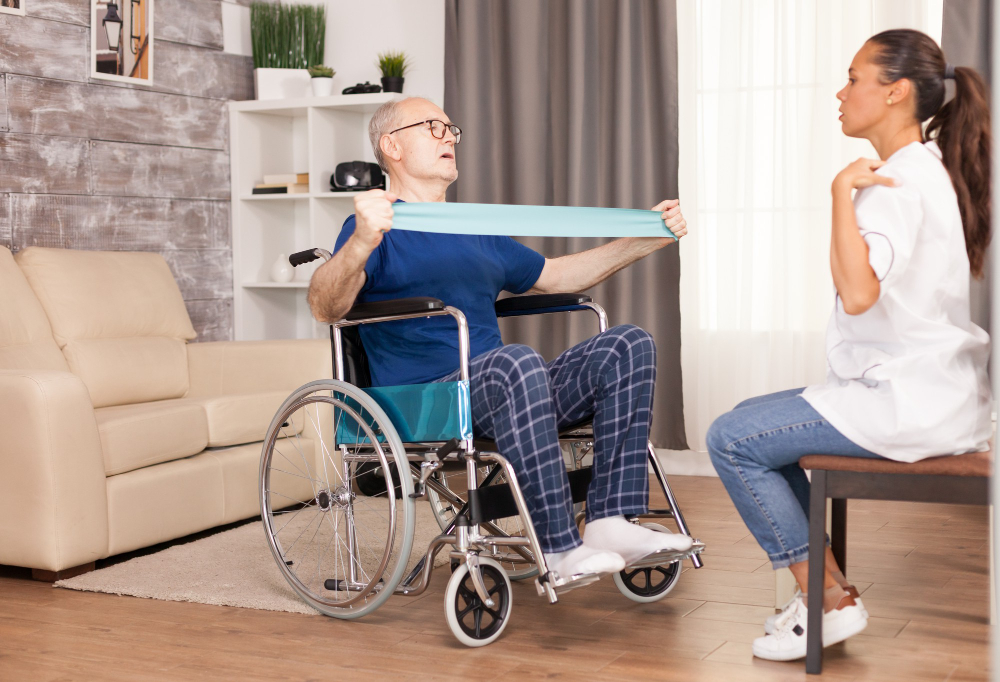
Geriatric care for paralysis is a special approach to help older adults who have lost movement in parts of their body. This care focuses on the unique needs of seniors living with paralysis. Because aging can make recovery harder, families and caregivers play a big role. With the right support, elderly paralysis care can improve comfort, safety, and quality of life. In this guide, you will find practical advice and essential information for paralysis management in seniors.
Overview of Paralysis in the Elderly
Paralysis means losing the ability to move one or more muscles. In seniors, this often affects the arms, legs, or face. Sometimes, it can impact both sides of the body. As people age, their risk for paralysis increases. This is often due to health problems that are more common in older adults. However, with proper care, many seniors can still enjoy meaningful lives.
Common Causes and Risk Factors
Many health conditions can lead to paralysis in seniors. Understanding these causes helps families and caregivers take early action. The most common causes include:
Additionally, risk factors such as high blood pressure, diabetes, and heart disease make paralysis more likely in seniors. Therefore, regular check-ups and healthy habits are important.
Recognizing Symptoms and Early Signs
Early detection of paralysis can make a big difference. Families and caregivers should watch for these signs:
If you notice any of these symptoms, seek medical help right away. Quick action can improve outcomes for the paralyzed elderly.
Diagnosis and Assessment Methods
Doctors use several methods to diagnose paralysis in seniors. First, they will ask about symptoms and medical history. Next, they may perform a physical exam. Often, tests such as MRI, CT scans, or nerve studies help find the cause. In some cases, blood tests or spinal fluid tests are needed. Early and accurate diagnosis is key for effective elderly paralysis care.
Treatment Options and Rehabilitation Approaches
Treatment for paralysis in seniors depends on the cause and severity. However, many options are available:
Rehabilitation is a long-term process. But with patience and support, many seniors regain some independence. Local rehabilitation centers and home-based therapy can also help.
Daily Care Tips for Families and Caregivers
Everyday care is vital for seniors with paralysis. Here are some practical tips:
Because each person is different, adjust care routines as needed. Always involve the senior in decisions when possible.
Preventive Measures and Lifestyle Modifications
Prevention is important in paralysis management in seniors. Families and caregivers can help by:
With these steps, you can lower the risk of further health problems.
Emotional and Social Support for Seniors
Living with paralysis can be hard emotionally. Therefore, emotional and social support is just as important as physical care. Families and caregivers should:
Because support makes a big difference, never hesitate to seek help from counselors or social workers.
Conclusion
Geriatric care for paralysis requires patience, knowledge, and compassion. With the right approach, families and caregivers can help seniors live safer, happier lives. For personalized advice, consult a neurology specialist or geriatric care expert.