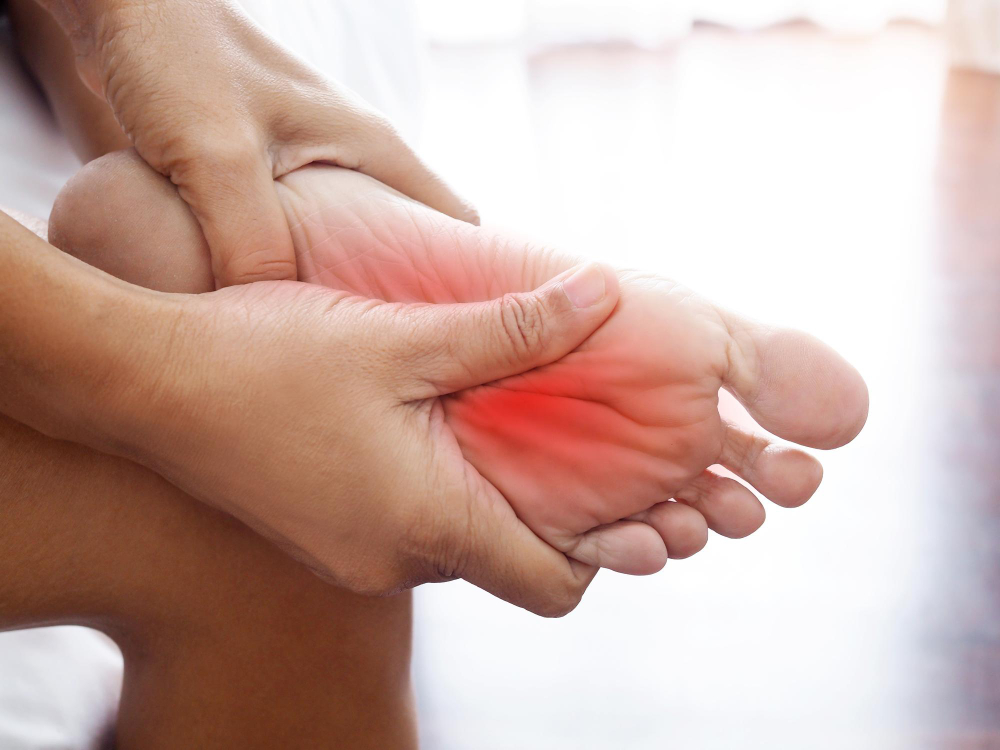
What Is Neuropathy?
Neuropathy is a condition that affects the nerves outside the brain and spinal cord. These nerves help you feel, move, and control many body functions. When they are damaged, you may notice changes in how your body feels or works. For many people, neuropathy symptoms that affect daily life can make simple tasks harder. According to the World Health Organization (WHO), neuropathy can result from diabetes, infections, injuries, or other health problems.
Common Neuropathy Symptoms
Neuropathy can cause a range of symptoms. These symptoms often depend on which nerves are affected. However, some symptoms are more common and can impact your daily routine. For example, you may notice:
In addition, some people notice changes in sweating, digestion, or blood pressure. These symptoms can make daily life more challenging.
How Neuropathy Symptoms Affect Daily Life
Living with neuropathy can change how you do everyday activities. For instance, numbness in your feet may make walking unsafe. You might trip or lose your balance more often. Because of muscle weakness, lifting groceries or opening jars can become difficult. Even dressing or buttoning clothes may take longer.
Furthermore, pain or tingling can disturb your sleep. This can leave you feeling tired during the day. Some people avoid social activities because of discomfort or fear of falling. As a result, neuropathy symptoms that affect daily life can lower your quality of life.
When to See a Doctor
If you notice new or worsening symptoms, it is important to talk to a doctor. Early treatment can help manage neuropathy and prevent further nerve damage. For example, you should seek medical advice if you:
Above all, do not ignore symptoms that affect your daily activities. A neurologist can help find the cause and suggest the best treatment.
Tips for Managing Neuropathy Symptoms
While neuropathy can be challenging, there are ways to manage symptoms and stay active. Here are some helpful tips:
Additionally, joining a support group can help you share tips and feel less alone.
Prevention and Lifestyle Guidance
Although not all cases of neuropathy can be prevented, healthy habits can lower your risk. For example, you can:
Moreover, regular check-ups can help catch problems early. The Centers for Disease Control and Prevention (CDC) recommends seeing your doctor if you have risk factors for neuropathy.
These organizations offer up-to-date facts and advice. You can also ask your healthcare provider for local support groups or resources.
If you notice neuropathy symptoms affecting your daily life, consult a neurologist for personalized guidance.