QEEG: The Future of Mental Fitness and Neurorehabilitation is a topic gaining attention worldwide. Quantitative Electroencephalography, or QEEG, is a safe and advanced brain mapping tool. It helps experts understand how the brain works. As a result, QEEG is changing how we approach mental fitness and neurorehabilitation. This blog explains QEEG in simple terms and shows how it may shape the future of brain health.
What is QEEG?
QEEG stands for Quantitative Electroencephalography. It is a special brain scan that measures electrical activity in the brain. Unlike regular EEG, QEEG uses computers to analyze brain waves in detail. This process is often called QEEG brain mapping. Because of this, doctors can see patterns that may relate to mental health or brain injuries. QEEG is non-invasive, which means it does not hurt and does not use radiation.
How QEEG Works
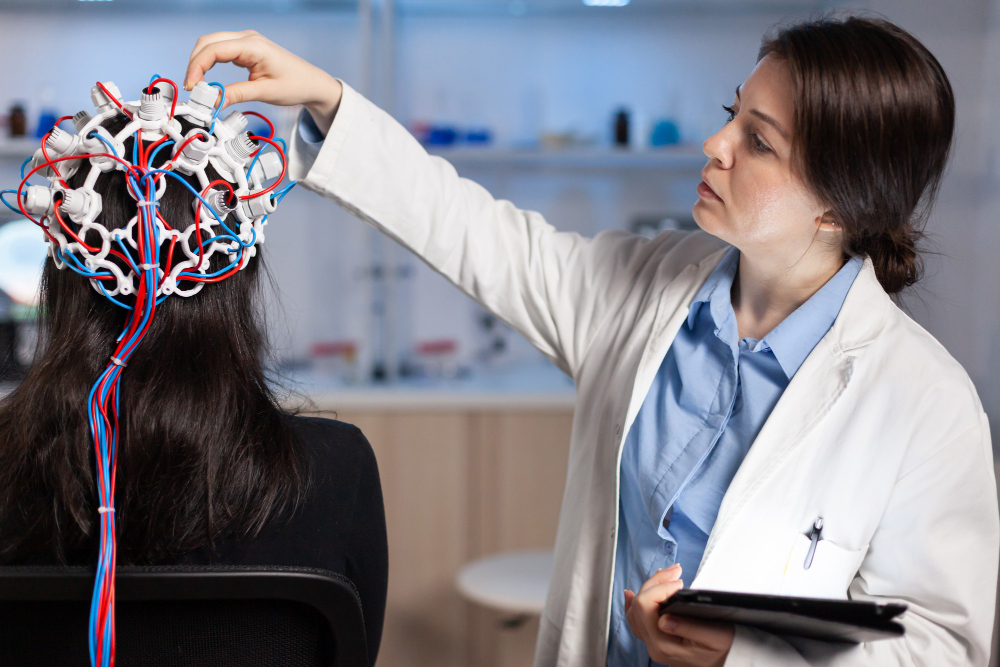
First, a trained technician places small sensors on your scalp. These sensors pick up tiny electrical signals from your brain. Then, a computer records and analyzes these signals. The results create a colorful brain map. This map shows how different parts of your brain are working. In many clinics, QEEG is used as a mental fitness technology to check brain health. The whole process is safe and usually takes about an hour.
Benefits of QEEG in Mental Fitness
QEEG offers many benefits for mental fitness. For example, it helps experts:
Moreover, QEEG brain mapping can help spot early signs of mental health issues. Because of this, people can get help sooner and improve their well-being.
Role of QEEG in Neurorehabilitation
Neurorehabilitation helps people recover from brain injuries or conditions like stroke. QEEG is a valuable neurorehabilitation tool. It shows which brain areas need support. Therefore, therapists can design better treatment plans. For instance, QEEG can guide therapies for memory, attention, or movement problems. In the United States and other countries, QEEG is becoming a key part of neurorehabilitation programs.
Who Can Benefit from QEEG?
Many people may benefit from QEEG, such as:
Additionally, QEEG is used in research to study the future of brain health. It helps experts learn more about how the brain works in different groups.
Safety, Limitations, and Considerations
QEEG is safe and painless. It does not use radiation or cause harm. However, it is important to know its limits. QEEG does not diagnose diseases by itself. Instead, it gives helpful information for doctors and therapists. Sometimes, results may vary between people. Therefore, QEEG should be used with other tests and expert advice. Always talk to a trained professional before starting QEEG brain mapping.
Latest Research and Future Prospects
Recent studies show that QEEG is a promising mental fitness technology. For example, research in PubMed and the CDC highlights its value in tracking brain health. Scientists are exploring new ways to use QEEG for early detection of brain disorders. In the future, QEEG may help create even more personalized treatments. As technology grows, QEEG could become a standard tool for mental fitness and neurorehabilitation worldwide.
Frequently Asked Questions (FAQ)
In summary, QEEG: The Future of Mental Fitness and Neurorehabilitation is bright. This safe and advanced brain mapping tool is helping people and experts alike. Consult a neurology specialist to learn if QEEG is right for you.